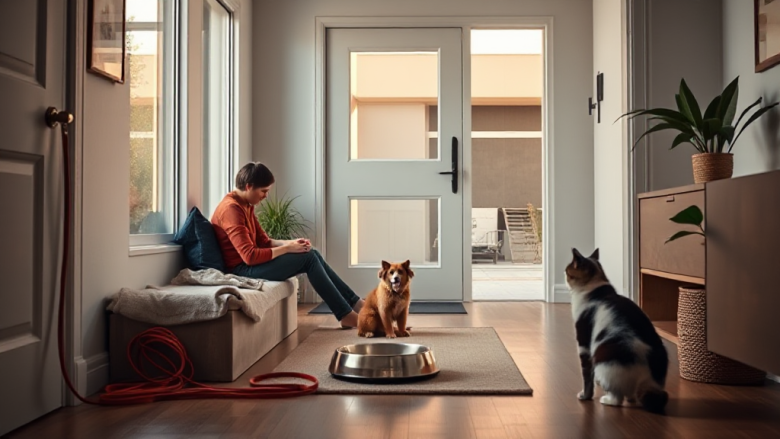
The house is ready. The bed is in the corner, the bowls are washed, and the toys are arranged just so. You’ve read the checklists and watched the videos, but standing in the quiet before the doorbell rings, you’re still not sure you’re ready. That’s normal. The first month as a pet owner isn’t about having every answer—it’s about making five decisions well while everything else settles around you. These first time pet owner tips won’t promise perfection, but they’ll give you a clear path through the noise.
Most new owners focus on the wrong things in week one: the perfect collar, the cutest photos, the Instagram-worthy setup. What actually shapes the next decade of your life with this animal are quieter, less photogenic choices. Budget, vet, space, routine, and socialisation. Get those five right and the rest becomes manageable. Get them wrong and you’ll spend months correcting course.
1. Decide What You Can Actually Afford Every Month
The adoption fee is the cheapest part. Before you sign anything, sit down with a calculator and be honest about the recurring cost of keeping an animal alive and well. Food, litter or bedding, flea and worm treatment, annual vaccinations, insurance or a savings buffer, and the inevitable unplanned vet visit. For a medium dog in the UK, a realistic monthly figure sits somewhere between eighty and one hundred and fifty pounds once you average out the annual costs. Cats run lower, but not by as much as people assume.
The do here is simple: build a separate account or envelope for pet costs and fund it monthly, even in the easy months. The don’t is just as important—don’t rely on good intentions or the vague belief that you’ll find the money when you need it. Emergencies don’t wait for payday. A swallowed sock or a sudden limp can cost several hundred pounds in a single afternoon, and having a buffer turns a crisis into an inconvenience rather than a debt.
Insurance is worth pricing before you commit, not after. Pre-existing conditions are usually excluded, so the day you bring your pet home is the best day to start cover if you’re going to. If insurance isn’t for you, set up a standing order into a dedicated savings pot instead. Either way, the decision needs to be made in month one, not month nine.
2. Set Up Your Vet Before You Need One
Registering with a vet is a task, not an emergency, and it belongs in the first week. Find a practice near you, check whether they handle your species and any breed-specific concerns, and book a health check within the first few days of bringing your pet home. This initial visit establishes a baseline, catches anything the shelter or breeder missed, and gets you into their system before you’re panicking at 2am.
Ask about their out-of-hours arrangements while you’re there. Some practices share an emergency service; others refer you to a hospital across town. Knowing the answer before you need it saves precious minutes when something goes wrong. Also ask what their consultation fee is, how repeat prescriptions work, and whether they offer a health plan that spreads the cost of routine care across the year.
The do is to have the number saved in your phone and written on the fridge. The don’t is to assume you’ll figure it out later. Later always arrives at the worst possible moment, usually on a Sunday evening or a bank holiday. A five-minute conversation in week one prevents a lot of scrambling in month six.
3. Create a Safe Space Before You Create a Fun Space
New pets don’t need the run of the house. They need one small, quiet room where they can decompress, and they need it from the moment they arrive. Set up a crate, a pen, or a corner of a low-traffic room with water, a bed, and something that smells familiar. For cats, this might be a single room with the door closed for the first few days. For dogs, a crate with the door open and a blanket over the top works well. For small animals like rabbits or guinea pigs, a quiet corner away from foot traffic and loud noises.
Resist the urge to introduce your new pet to everyone immediately. Visitors, other pets, and even enthusiastic children can wait. The first forty-eight hours should be boring on purpose. Your job is to be present but not overwhelming, nearby but not in their face. Sit on the floor and read a book. Let them come to you.
The do is to let the pet set the pace of exploration. The don’t is to carry them around the house showing them off. Freedom should be earned gradually, room by room, as they grow confident. A pet that feels safe in one small space will explore the rest of the house far sooner than one that was thrown into the deep end on day one.
4. Build a Routine You Can Keep for Years
Animals thrive on predictability. Feeding times, walk times, play times, and bedtime should be roughly the same every day, including weekends. This isn’t about being rigid for its own sake—it’s about giving your pet a way to predict what happens next. Predictability lowers anxiety, and lower anxiety means fewer accidents, less destructive chewing, and a calmer animal overall.
Choose times that genuinely fit your life. If you’re not a morning person, don’t promise a 6am walk you’ll resent by week three. A 7:30am walk you actually do is worth more than a 6am walk you skip. Feed at consistent times, take the dog out at consistent times, and wind down at consistent times. Within a fortnight, most pets will start anticipating the schedule, and you’ll notice the difference in their behaviour.
The do is to write the routine down and stick to it for at least the first month, even when you’re tired. The don’t is to change things up because you feel like it. Spontaneity is lovely for humans and confusing for animals. Once the routine is established and your pet is settled, you can be more flexible. Until then, boring is beautiful.
5. Socialise Deliberately, Not Accidentally
Socialisation isn’t the same as exposure. Taking your puppy to a busy market and watching them cower isn’t socialisation—it’s flooding, and it can set you back. Real socialisation means controlled, positive introductions to the sights, sounds, people, and animals your pet will encounter in normal life, at a pace they can handle.
For dogs, the critical window closes around sixteen weeks, so the first month matters enormously. Carry your unvaccinated puppy in your arms to hear traffic, see buggies, and watch children play. Invite calm, vaccinated adult dogs to meet them in your garden. Reward curiosity and ignore fear. For cats, socialisation is more about handling and gentle exposure to household sounds—the vacuum, the doorbell, the washing machine—paired with treats and calm voices.
The do is to keep sessions short, positive, and frequent. Five minutes of gentle exposure several times a day beats one long, stressful outing. The don’t is to force interaction with anything or anyone your pet is clearly afraid of. A scared animal doesn’t learn to be brave by being overwhelmed. They learn by being shown, repeatedly, that the thing they feared was harmless.
If you’re struggling, ask your vet about a reputable behaviourist or trainer. Getting help early is far easier than undoing months of accidental reinforcement.
The First Month Is a Draft, Not a Final Exam
You will make mistakes. You’ll probably overfeed once, miss a walk once, and panic about something that turns out to be nothing. That’s not failure—that’s the first month. The five decisions above aren’t about getting everything perfect; they’re about laying down rails so the rest of the year runs smoother. Budget, vet, safe space, routine, and socialisation. Get those roughly right and you’ll look back at this anxious, excited version of yourself with a lot of affection.
The pet in front of you doesn’t need a flawless owner. They need someone who shows up, pays attention, and keeps trying. You’re already doing that by reading this far. Now go and meet them.